Can You Really Make Money on Studypool in 2025? Brutally Honest Review
I stumbled across Studypool—a platform that promises you can earn money by answering academic questions or selling study notes.
As someone who’s spent years scribbling notes in lecture halls and helping friends cram for exams, it sounds like a dream come true. But is it too good to be true?
Let’s dive into my experience exploring Studypool, the harsh realities of making money in today’s world, and whether this platform is worth a shot.
Studypool’s Promise: Turn Knowledge into Cash
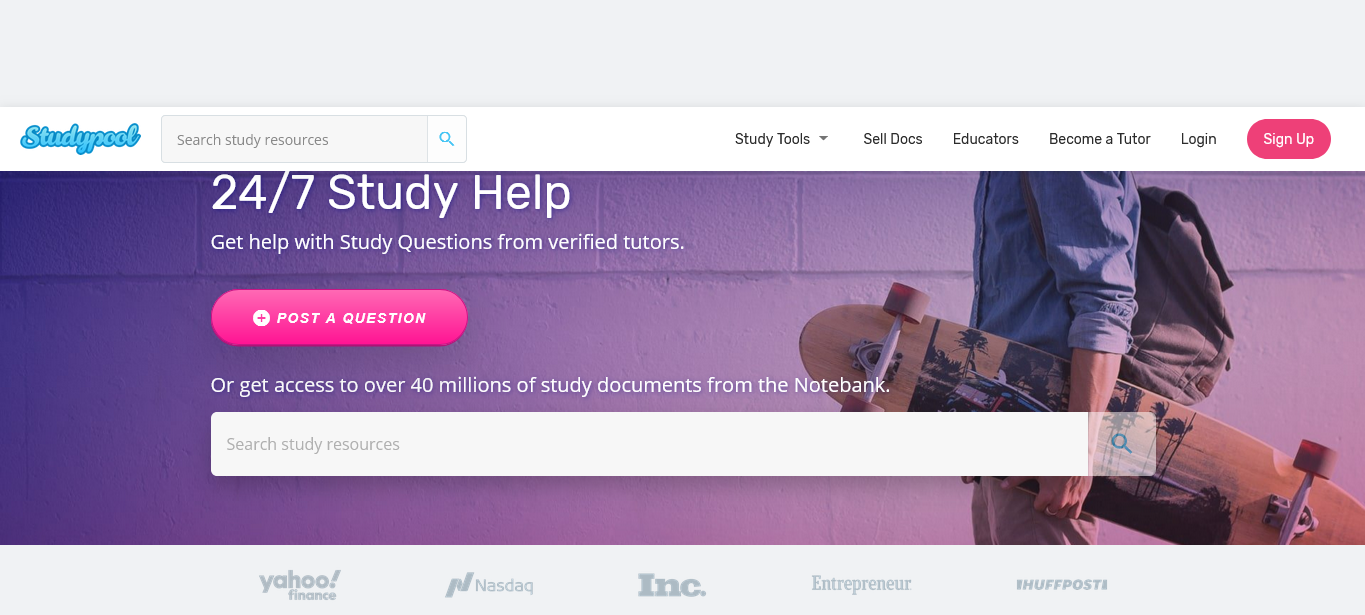
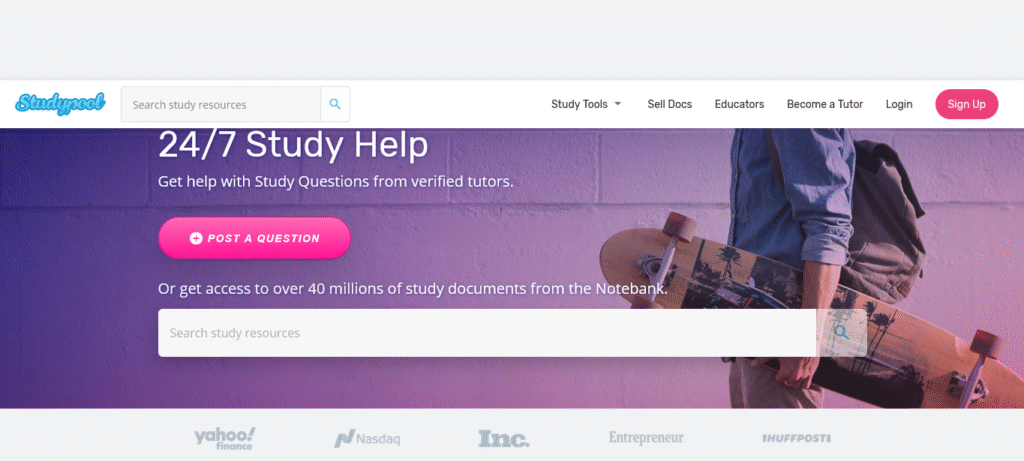
Studypool markets itself as a global online tutoring platform where you can set your own rates—anywhere from $10 to $150 per hour—to answer students’ questions in subjects you’re skilled at.
You can also upload study materials like lecture notes or exam prep guides and earn up to $10 each time a student views your document. It’s pitched as a flexible work-from-home gig that lets you profit from your brainpower.
For someone like me, who’s always been the “explainer friend” for tough college problems, this feels plausible.
The idea of earning passive income from old notes while helping students? That kind of hustle is super tempting. In a world where 60% of Americans live paycheck to paycheck (per a 2023 Pew Research study), leveraging what you already have feels like a small rebellion against the system. But before I get too excited, I want to understand how it works—and whether the promise matches reality.
First Steps: A Serious Application Process
I decided to give Studypool a try and started the tutor application process. It’s not a “fill out a form and start” kind of deal. You have to provide basic info, detail your academic experience, and—surprise!—write essays to showcase your skills. I haven’t submitted my essays yet, but the process feels like applying for a scholarship: equal parts exciting and nerve-wracking. They also require a photo ID for identity verification. Makes sense, but it’s still a bit unsettling. In an era where data breaches are as common as rain (remember the Equifax mess?), handing over personal info feels like a gamble.
Once approved, you can start bidding on student questions. You set your price and turnaround time, and if the student picks you, the payment is held in escrow until they’re satisfied. You can also upload documents to their “Notebank,” which students can access for a fee. But here’s the catch: Studypool takes a commission—typically 20–30% per question, according to user reviews on Glassdoor and Trustpilot. That’s a hefty cut, but it’s standard for platforms like this.
The Real Deal: Can You Actually Make Money?
Here’s where reality kicks in. Studypool claims top tutors can earn up to $7,500 a month, with averages around $2,000, based on salary posts on Glassdoor and Indeed. Sounds awesome, but let’s break it down. To hit $2,000 a month, you’d need to answer a lot of questions—especially since the commission cuts into your net earnings. Some tutors report earning $25–$50 per question, but the time it takes to provide a quality answer can shrink your hourly rate. One post on X mentioned $25–$50 per question but didn’t say how long it takes to complete. My guess? Complex math problems or essays could take over an hour, so the $150/hour dream might turn into $15/hour after factoring in time and commissions.
Selling documents sounds like the perfect passive income stream, but it’s trickier than it seems. You’re supposed to earn $10 per view, but reviews on Quora and Reddit suggest sales are tough to come by. One Quora user said they uploaded 70 documents and got zero sales. Another on Reddit complained about uploading over 400 math documents with no results. The key seems to be creating high-quality content with precise tags for popular courses like Intro to Math or Business. Studypool’s official site claims detailed titles and specific course tags can boost sales by up to 480%, but it’s still a slow process unless you hit the right niche.
Pros, Cons, and Frustrations
Let’s start with the pros. Flexibility is the biggest selling point—you work whenever, wherever. No boss breathing down your neck, no 9-to-5 grind. The range of topics is vast, from calculus to marketing, so there’s opportunity for almost anyone with an academic background. Plus, helping students while earning money is rewarding, especially for our generation, which is often told to “follow your passion” only to end up with a mountain of student debt. (Fun fact: U.S. student debt hit $1.7 trillion in 2024, per the Federal Reserve.)
But there are downsides. User reviews paint a mixed picture. On Trustpilot, Studypool has a 3.1/5 rating from 511 reviews—some tutors call it a “scam” for withholding earnings or “stealing” uploaded documents without payment. Others praise its quick responses and earning potential. Complaints about poor customer service, unexpected fees, and difficulty deleting personal data make me cautious. One Glassdoor reviewer said you can get banned if your student ratings dip below 85%—that’s like walking a tightrope without a safety net. The bidding system is also highly competitive. New tutors often have to bid super low to build a reputation, which means working for peanuts at the start.
My Verdict: Worth a Try?
I’m still in the early stages with Studypool, waiting for my tutor application to be approved. The potential is there, but this isn’t a get-rich-quick scheme. It’s a hustle, and like any hustle, it takes time to see results. If you’re passionate about academics, enjoy teaching, and can create clear, valuable content, it could be a solid side gig. But don’t expect to quit your day job in a week. The commission cuts, cutthroat bidding, and uncertain document sales mean you’ll need to grind for decent earnings.
For someone like me, navigating the tightrope of modern America—where rent eats up 40% of income and grocery prices make you think twice—Studypool is intriguing but not a sure thing. It’s a tool, not a golden ticket. If you want to try it, focus on high-demand subjects, polish your profile, and be patient. And maybe keep an eye on those warnings about data privacy and payment issues. Trust, but verify.
What’s Next?
I’ll update you on how my Studypool journey goes—whether it’s a cash cow or a regretful signup. What about you? Have you tried Studypool or similar platforms? Drop a comment and share what worked for you—or what totally flopped. For now, I’m back to my iced coffee, dreaming of a world where financial freedom doesn’t feel like chasing a unicorn.
If you’re curious about Studypool, check out their site at www.studypool.com for more details. For pricing or payment specifics, head to their official page since I don’t have the latest on that. And if you’re digging into side hustles, data from the U.S. Bureau of Labor Statistics and Pew Research can give you a broader picture of the current gig economy trends.