How I Made $100K From My Blog—Thanks to Pinterest
I’ve been navigating the wild, unpredictable world we call the internet. A few years back, I dove into blogging—not because I had grand plans to get rich, but because I had something to say and thought, “Why not?”
Now, I’m earning a full-time income from my blog, largely thanks to a platform I initially thought was just for wedding planners and DIY enthusiasts: Pinterest.
If someone had told me back then that Pinterest would be my golden ticket to driving traffic and making money, I’d have laughed. But here I am, and I want to share how this visual discovery platform changed the game for me—and could maybe do the same for you. This isn’t an overnight success story or a get-rich-quick scheme. It’s about hard work, learning, and leveraging a tool that’s quietly one of the most powerful traffic drivers out there.
From Hobby to Hustle
When I first started blogging, I was completely clueless. I wrote about personal finance, sharing tips I’d learned while tackling my own student debt—$40,000, to be exact, which I paid off in seven months through side hustles and extreme frugality. My blog was like a diary, a way to process my financial chaos and maybe help others along the way. I never expected anyone to read it, let alone make money from it.
Then I stumbled across Pinterest. At first, I saw it as a place for recipes and home decor, but one day, a friend mentioned she was posting her blog on Pinterest and getting thousands of clicks. I was skeptical but curious. I created a few pins—simple images with catchy titles like “10 Ways to Save $1,000 This Month”—and uploaded them to Pinterest. Within weeks, my traffic spiked. From a few hundred visitors a month, it jumped to thousands. By the end of my first year, I was making $5,000 a month, enough to replace my old office job salary. Now, Pinterest drives over 100,000 monthly visits to my site, and I’m pulling in a six-figure income yearly from a mix of affiliate marketing, ads, and digital products.
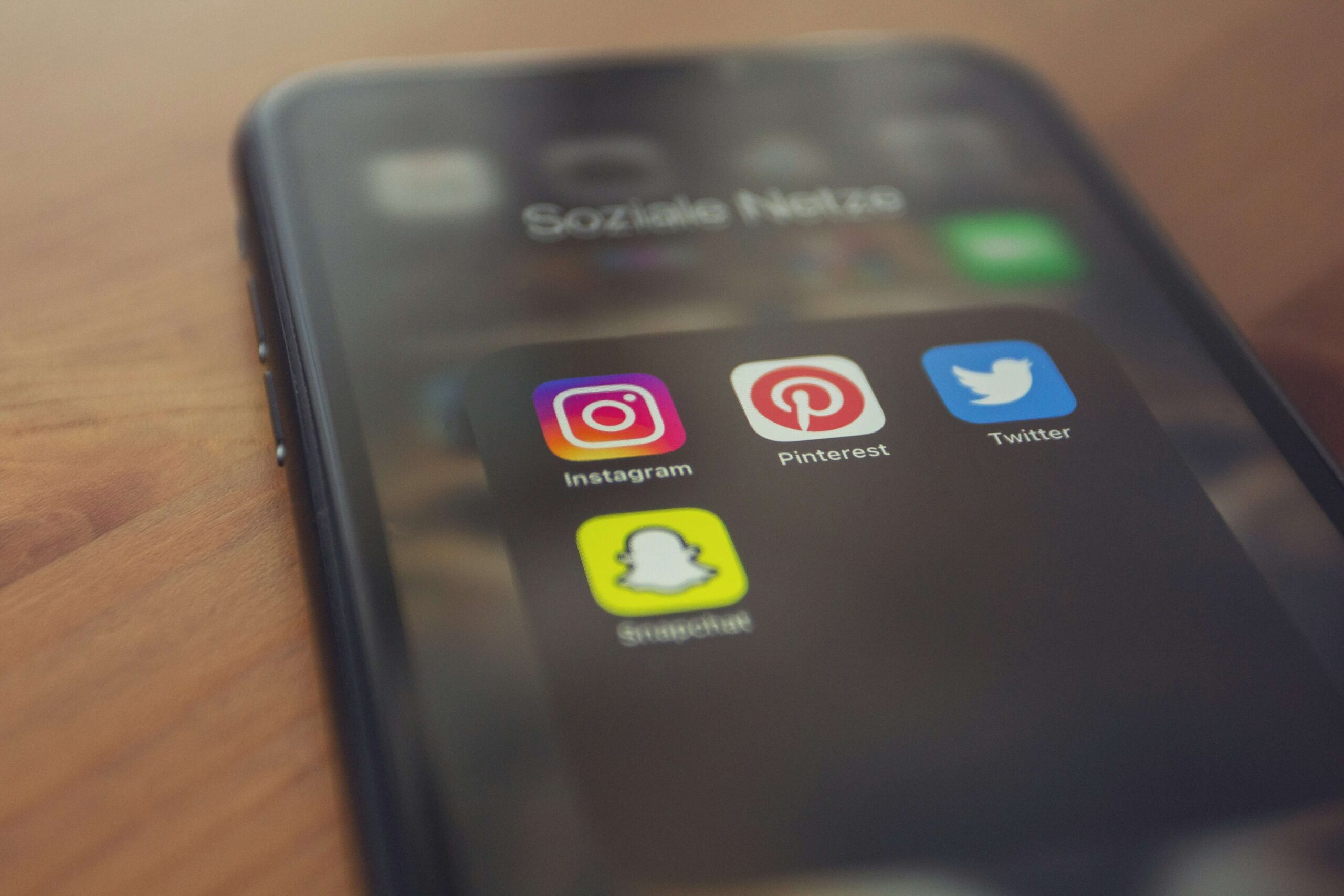
Pinterest isn’t just social media. It’s a visual discovery engine where millions of people—81% of them women, according to a 2023 Pew Research study—search for ideas, inspiration, and solutions. From budgeting tips to meal plans to workout routines, Pinterest users actively seek out content like mine. And when they find it, they click through to my blog, where I monetize that traffic through ads, affiliate links, and digital products.
Why Pinterest Works (And Why It Might Work for You)
Pinterest is unique because it’s built on intent. Unlike aimless scrolling on X or Instagram, Pinterest users are planning something—whether it’s a vacation, a weekly grocery list, or, in my case, their financial future. That’s why this platform is a goldmine for bloggers. According to Statista, 47% of Pinterest users make purchasing decisions on the platform, compared to just 15% on Facebook and 11% on Instagram. They’re not just browsing; they’re ready to act.
For me, Pinterest was a perfect fit because my niche—personal finance—aligned so well. It’s a “real problem” niche, like debt and budgeting, that resonates with Pinterest users. Other niches that thrive here are visual and inspirational: recipes, home decor, fashion, parenting tips. If your blog covers something people want to see or solve, Pinterest is your playground. But if you’re writing about hyper-specific tech tutorials or B2B software, you might want to look elsewhere. Pinterest loves content that’s visual, actionable, and relevant to everyday life.
My Pinterest Strategy: What Actually Works
So, how do I use Pinterest to drive traffic and make money? You don’t need to be a genius, but it takes effort and consistency. Here’s what’s worked for me, honed through trial and error and learning from experts like Carly Campbell, creator of the Pinteresting Strategies course I leaned on heavily.
1. Create Eye-Catching, Purpose-Driven Pins
Every blog post I write has at least one Pinterest-specific image—a vertical graphic (1000×1500 pixels is the ideal size) with bold text and a clear call-to-action. For example, a post about “How to Pay Off Debt Fast” has a pin that says, “I Paid Off $40,000 in 7 Months—Here’s How!” with an image of a piggy bank or a debt-free checklist. Use Canva to make it pop, and include 4–5 keywords in the pin description to boost discoverability.
2. Pin Consistently, But Don’t Overdo It
I aim for 10 pins a day—a mix of new pins for recent articles and fresh designs for older content. Repinning old URLs with new designs keeps evergreen content circulating. I use Pinterest’s built-in scheduler to save time. Consistency matters, but don’t spam—Pinterest prioritizes quality over quantity.
3. Focus on Evergreen Content
Pinterest’s strength is its long-term payoff. A pin about “Extra Side Hustles” I created two years ago still drives thousands of clicks because the topic is timeless. Evergreen content like this generates passive income from ads and affiliates. For instance, one pin linking to an affiliate post about budgeting apps has earned thousands of dollars over two years without needing updates.
4. Diversify Your Boards
My Pinterest profile isn’t just a dump for my blog links. I create dedicated boards for personal finance, frugal living, side hustles, and fill them with a mix of my content and others’. Strong boards signal to Pinterest’s algorithm that my account is an authority in my niche.
5. Learn the Platform
Pinterest isn’t Google or X. It has its own rules. The biggest mistake bloggers make is thinking they can pin randomly and get traffic. Wrong. You need to know what your audience is searching for—keywords like “frugal tips” or “quick savings hacks”—and tailor your pins accordingly. I spent hours listening to podcasts like Pin Talk and taking courses to figure this out.
The Money Part: Turning Clicks into Cash
Traffic is great, but what you do with it matters. Here’s how I monetize my Pinterest-driven visits:
- Affiliate Marketing: About 50% of my income comes from affiliate links—promoting products like budgeting apps or credit cards I personally use. A single post can generate commissions for years. In 2023, I averaged $50,000 a month from affiliates alone.
- Display Ads: Through ad networks like Mediavine, I get paid per visitor. More traffic = bigger ad revenue. My newer site, just eight months old, already earns $5–$10 a day from 2,000 daily clicks via Pinterest.
- Digital Products: I sell courses on blogging and monetization, heavily promoted through Pinterest. These bring in $30,000–$50,000 a month. Pinterest is perfect for showcasing visual products like this.
- Sponsored Posts: Brands pay me to write about their products, and Pinterest traffic makes my blog attractive to them. This can bring in up to $20,000 a month.
The key? Diversification. Relying on one income stream is risky. I split my revenue between ads, affiliates, and products, so I’m covered when algorithms shift or slow seasons hit. My blog income fluctuates between $5,000–$20,000 a month, but it’s always more than my old salary.
The Reality Check: It’s Not All Sunshine and Profits
Blogging, even with Pinterest, isn’t a walk in the park. It took a year of 60-hour workweeks to match my old job’s pay. Pinterest’s algorithm can change and tank your traffic overnight—Q1 is the toughest, and I’ve lived it. And don’t forget how exhausting it is to create pins, research keywords, and stay current. I now have a virtual assistant, but I used to do it all solo.
There’s also the mental toll. The internet is noisy and high-pressure, and imposter syndrome creeps in when you see others seemingly crushing it. A 2024 BLS survey found 60% of self-employed workers experience higher stress than office workers. I feel that. But the freedom—working 10 hours a week from a sailboat, chasing sunsets with my family—makes it worth it.
Why Pinterest Is Worth a Shot
If you’re a blogger, Pinterest isn’t just an option—it’s a must. It’s not about chasing viral pins but building a system for consistent, targeted traffic. My new site, started in 2024, went from zero to 1,500 daily clicks in six months. Proof you don’t need a huge following to succeed here.
My advice: start small, but start smart. Set up a Pinterest business account, learn basic keyword research, and pin consistently. Don’t expect to get rich quick—my first $100 took six months. But with patience and strategy, Pinterest can turn your blog from a side gig into a main income.
So, yeah, I was just a guy boldly trying out blogging and platforms I barely understood. Now, I’m living with financial freedom, flexibility, and the chance to help others while doing what I love. If I can do it, you can too. Grab a coffee, open Canva, and start pinning now. Clicks—and cash—will follow.