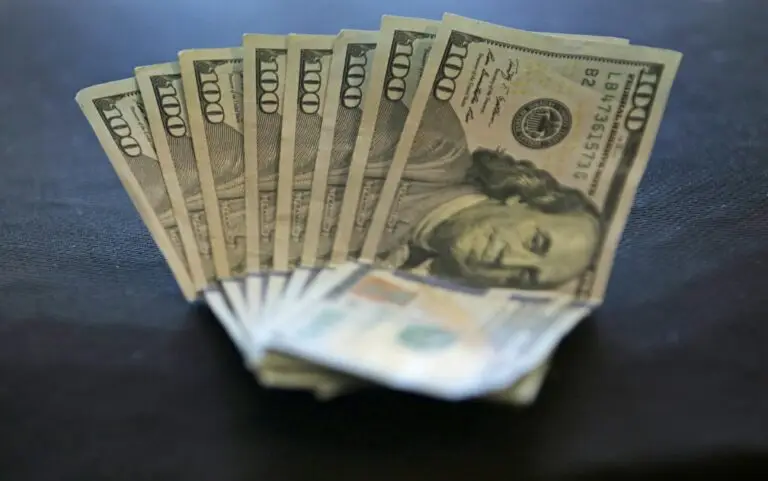

5 Hard Money Lessons I Learned Going Solo in the Freelance Economy
From Burnout to Balance

I used to think money was just a paycheck—a predictable deposit that hit my account like clockwork, no questions asked. It was the reward for dragging myself through the daily grind, a quiet trade-off for a life that felt safe but uninspired. Then I left my steady job to go solo as a freelancer, teaching online and writing, chasing a dream that felt equal parts exhilarating and terrifying. Suddenly, money wasn’t just a number—it became a mirror reflecting my choices, my value, and the life I’m trying to build in an America where the cost of living keeps climbing and stability feels like a myth.
This isn’t about striking it rich or flexing some picture-perfect lifestyle. It’s about the raw, messy lessons I’ve learned about money while navigating the freelance economy. Here are the five money lessons going solo taught me—hard-won insights from a guy in his 20s trying to make it work in a world that doesn’t hand out instruction manuals.
1. Free Work Is a Trap—Value Your Time First
When I first went solo, my inbox lit up with “opportunities.” You know the kind: “Create this course for a cut of the sales!” or “Teach these classes for exposure!” They prey on that newbie panic—the fear you’re not good enough, so you better say yes to everything. I almost fell for it. Then I ran the numbers.
Designing an online course takes hours—research, scripting, recording, editing. A 2024 Upwork report says freelancers spend an average of 20-40 hours creating a single course, only to earn pennies unless thousands buy it. Most don’t. I learned to say no to “free” gigs that promised future payoffs but left my wallet empty. Instead, I focused on jobs that paid upfront—teaching, writing, real work for real money.
Saying no felt like a gut punch at first, like I was turning down a chance to prove myself. But it was a game-changer. By prioritizing my bank account over my ego, I landed gigs that respected my time. A 2023 Pew Research study found 60% of freelancers who avoid low-paying work report higher job satisfaction. Lesson one: your time is your currency. Don’t give it away.
2. Money Became My Scorecard (and That’s Not Always Good)
In my old job, I knew exactly what I’d earn each month. Taxes, benefits—it was all handled. Freelancing? It’s a patchwork of gigs, some steady, some one-offs. The Bureau of Labor Statistics says 36% of Americans worked in the gig economy in 2024, and I get why. It’s freedom, but it’s also a rollercoaster. One month, I’m covering bills with room to spare; the next, I’m refreshing my inbox, praying a client pays on time.
But the bigger shift wasn’t just the unpredictability—it was what money started to mean. Every dollar felt like proof I wasn’t failing. If I could match my old salary, it meant I didn’t screw up. If I could cover the median rent ($1,498 in 2024, per U.S. Census data, up 7% from 2022), it meant this life was sustainable. I started obsessing over every cent, not because I’m greedy, but because it became a way to measure my worth.
The kicker? I told myself I was okay earning less for the freedom to do what I love. But society’s got a way of creeping in. As a guy, there’s this pressure to be the provider, the one who’s got it together. It’s not just about paying bills—it’s about proving you’re not just “messing around” with some side hustle. Lesson two: money’s a lousy scorecard when it starts defining your self-worth.
3. I Stopped Taking Jobs That Drained My Soul
Here’s where it gets tricky. I’m hyper-focused on making enough to survive, but I refuse gigs that make me dread waking up. I’ve turned down offers that sounded fine but felt hollow—teaching rote courses or churning out soulless content. Life’s too short, and freelancing means long hours, often nights and weekends. If I’m going to grind, it has to mean something.
Teaching adults who are excited to learn? That’s my fuel. Writing pieces that spark real connection? That’s the dream. A 2024 Pew Research survey found 72% of gig workers prioritize purpose and flexibility over a bigger paycheck. I get it. You can’t fake passion when you’re your own boss. Every time I say no to a soul-sucking gig, it’s a reminder of why I went solo: to build a life that feels like mine. Lesson three: don’t trade your spark for a paycheck.
4. Pricing My Worth Was the Hardest Part
When a client asks, “What’s your hourly rate?” it’s not just a question—it’s a test. I have to put a number on my skills, my experience, my time. Growing up, I was taught to be humble, to downplay my strengths. Now, I’m learning to own my worth without flinching. It’s not easy. The first time I quoted a rate, my voice shook like I was asking for a loan.
But here’s what I figured out: undercharging doesn’t just hurt my wallet—it hurts the whole freelance ecosystem. When people accept $9-an-hour teaching gigs (and trust me, they exist), it signals to companies that it’s okay to lowball. A 2024 Upwork study found that freelancers who set higher rates often land better clients and work fewer hours. Lesson four: know your worth, and don’t apologize for it. The right clients will pay for quality.
5. Balance Is the Real Goal
Freelancing is a constant balancing act. Do I take an extra gig to fund a summer road trip, or do I protect my weekends for a mental reset? Can I keep my rates high enough to feel valued but still book enough clients to cover the bills? Nobody hands you a guidebook for this. The U.S. Census Bureau says 59% of self-employed workers in 2024 reported higher job satisfaction than traditional employees, but also more stress about financial uncertainty. That’s the deal.
What I’ve learned is that the money lessons going solo taught me aren’t just about dollars. They’re about choices. I’m more intentional now—not just with my bank account, but with how I spend my time and energy. Some days, I nail the balance: enough work to feel secure, enough freedom to feel alive. Other days, I’m still figuring it out. But every choice feels like a step toward a life that’s mine. Lesson five: balance isn’t perfect, but it’s worth chasing.
The Bigger Picture
Going solo flipped my relationship with money upside down. It’s not just about paying the bills anymore—it’s about what those dollars represent: my freedom, my value, my life. I’m still learning, still stumbling, but every step feels like a bet on myself. In a world where the cost of living keeps rising and the American Dream feels like a moving target, that’s no small thing.
If you’re thinking about taking the leap—or just trying to make sense of your own money story—know this: it’s not about getting it all right. It’s about showing up, making choices, and building something real. The numbers? They’re just part of the journey.