Can You Really Buy a House in Europe for €1?
Sounds amazing, right? But is there a better option?

The €1 House Project
You’ve probably seen this making the rounds on social media, news headlines, or online articles. The idea of buying a house for just €1 is definitely eye-catching. But is it really that cheap? Is real estate in these towns practically worthless?
If this is your first time hearing about it, here’s a quick rundown: the trend started in Italy, where many towns with aging and shrinking populations began offering abandoned homes for just €1. The goal was simple—bring new life to these dying towns.
But of course, that €1 price tag comes with strings attached. In Italy, for example, after buying the home, you’re required to obtain permits and contracts, start renovations within two months, and put down a refundable “security deposit.” That deposit (often several thousand euros) is returned after renovations are completed, meaning you’ll need to front some cash before you even get the keys and deed.
The success of this model inspired similar programs in countries like Croatia, Greece, and Spain. Even in Japan, some communities are offering extremely cheap properties. Their thinking? It’s better to give these houses away and see them restored than let them sit empty and rot.
So, is this a great deal, a decent option, or something better left alone? Here’s what you need to know.
What’s the Catch?
Technically, nothing. But kind of… yes.
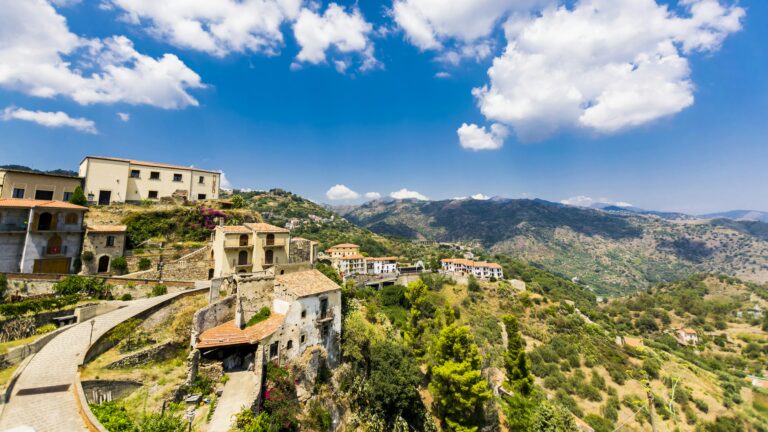
Yes, you really can buy a house for €1—sometimes even ones near the coast or in charming Sicilian villages.
But the fine print? Most of these programs require you to start renovations sooner rather than later and complete them within a few years (specific timelines vary by town).
The point isn’t to just own the home; it’s to fix it up fast. That’s why towns often ask for a deposit to keep you accountable. Fail to complete renovations by the deadline, and you lose that money.
Some towns even require you to live in the home once it’s renovated. Others allow it to be a vacation home or a rental. Rules vary widely depending on location.
So, is anything being “hidden”? Not exactly. But this is the part most people gloss over.
What Are These Houses Like?
You’re not moving in right away—you’re starting from scratch.
This especially applies to homes in Italy, Croatia, and Greece. Based on my research and what I’ve seen, homes in Japan tend to be in far better condition—at least structurally.
A lot of these European homes are essentially ruins. Utilities like electricity, plumbing, or sewage might not work—or might not even exist. Outside might look okay, but inside you’ll often find collapsed stairs, plants growing through the floors, and piles of debris.
In most cases, you’re buying four walls (hopefully) and taking on a total rehab. So if you’re serious, don’t buy online. You need to visit in person to assess the foundation, the walls, and overall livability. Photos don’t tell the whole story.
Yes, €1 sounds nearly free—but there’s a massive amount of work involved. And you likely won’t be doing it yourself. You’ll need local contractors who understand the materials and historical architecture. Sure, you can handle some of the finishing touches, but the heavy lifting? That’s for the pros.
Is There a Better Option?
Tempting? Yes. Practical? Not always.
Truth is, buying a €1 house could end up being more expensive than building one from scratch. These homes often need entirely new staircases, excavation, structural reinforcement—you name it. You could spend tens of thousands of euros just to clear the debris before starting renovations.
These properties are not move-in ready. You’ll need to pay a contractor while living elsewhere—or fly back and forth frequently.
A more realistic option? Consider homes priced between €20,000 and €30,000. They’re still cheap by most standards, but typically livable. You might need to do some repairs, but at least you can live in them while you work.
Also keep in mind: in some areas, contractors are scarce and expensive. Labor could cost twice as much due to high demand or local pricing practices (or worse—contractor manipulation).
In the end, your €1 house could cost more than €30,000 before it’s livable.
Here’s a real example: this €1 home currently on sale in Sicily (with a €2,500 down payment). It’s in better shape than most others in this price range—but still needs a lot of work.
You’re Not in Your Home Country Anymore
Buying international real estate is a whole different ballgame.
Sure, these homes are cheap—many ranging from €1 to €40,000—but the process can still be messy. In Italy, Greece, and Spain, deals can fall apart even after you make an offer. Sellers may up the price last-minute or delays might push paperwork for weeks (or months).
That said, €1 homes are often government-managed, so red tape might be less than usual. Municipalities want these homes sold fast, so the process might move more quickly than traditional real estate deals.
Your biggest challenge? Contractors. Most of these homes are in rural villages, and contractors can be hard to schedule. Many work on “flexible” timelines, where arrival times are… optimistic. Delays are normal.
Budgets are often exceeded, and you may need to supervise the work yourself. If you want a good glimpse into what you’re getting into, read Under the Tuscan Sun by Frances Mayes—not for the romance, but for the renovation reality check.
Our Advice?
Think carefully before buying a home in a foreign country. It’s not just a financial decision—it’s a personal and emotional one. This process can be stressful and time-consuming, but also deeply rewarding if you’re the adventurous type.
You’ll have full control to design your dream vacation home—or maybe even settle there permanently. In some countries, owning a livable home can speed up your residency or citizenship application.
While we recommend choosing homes priced above €1, we believe there’s a perfect property out there for everyone—if you’re ready for the challenge.
Final Quick Tips for the €1 Dreamers:
- Understand the offer: what’s the town’s goal, what are your obligations, what does the property really look like?
- Do deep research: location laws, foreign ownership rules, added costs (notary, utilities, taxes, etc.)
- Talk to professionals: local agents, lawyers, accountants.
- Know your “why”: is this an investment, a lifestyle choice, or a future home?
- Visit the property in person. Always. Walk around, inspect the place, and talk to locals.
Thanks for reading. If this piece got you thinking differently about Buy a House in Europe, you might also enjoy “Chasing a €1 House in Italy: Dreams, Reality, and a Wake-Up Call”, where I dive into another angle that’s just as important — but often overlooked