How Can I Make Money from My Laptop
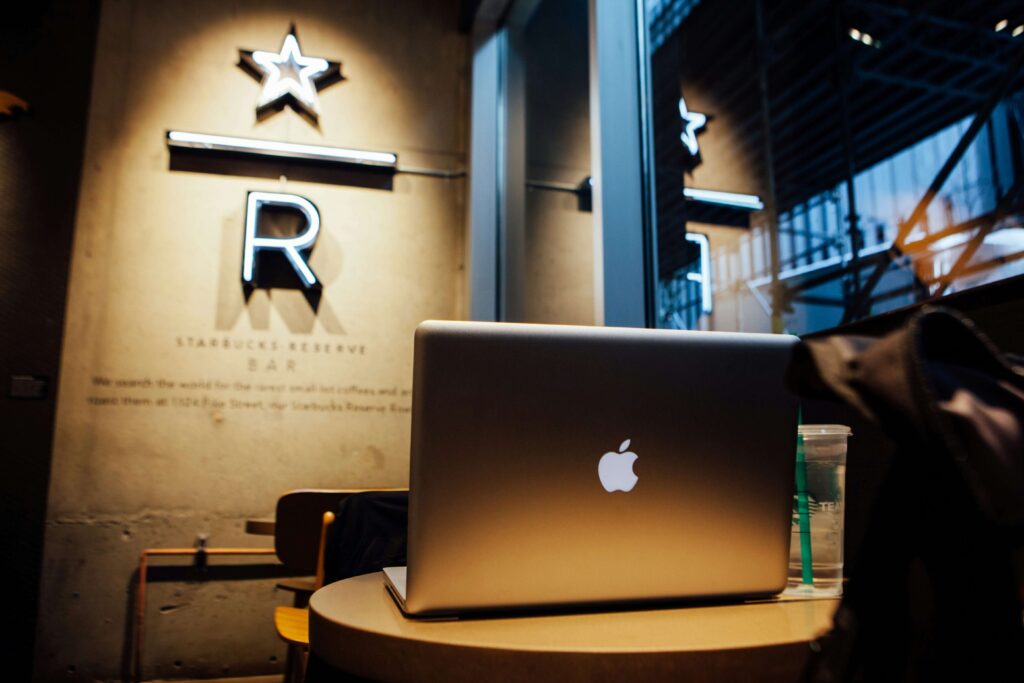
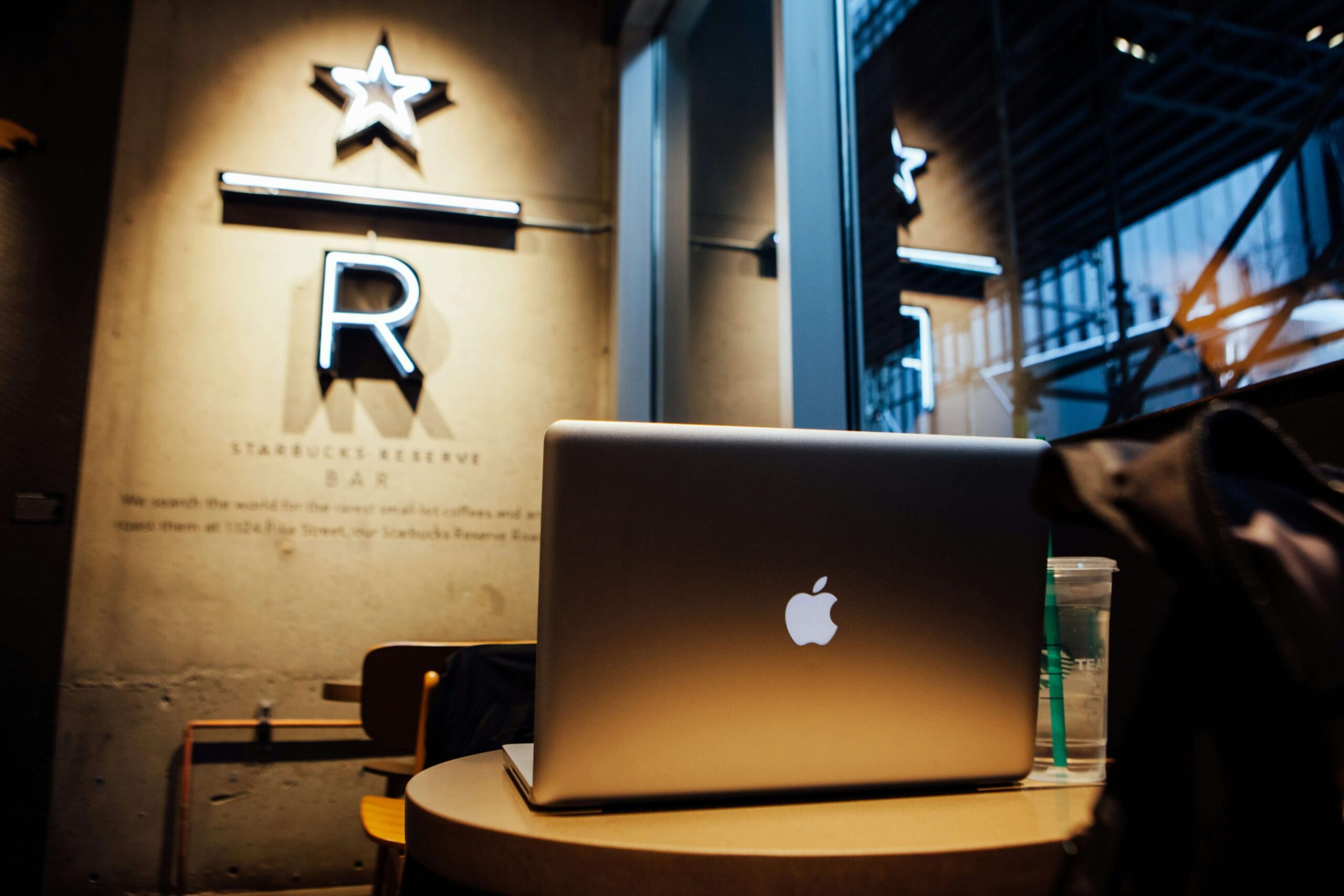
I’m sitting in a corner of a café that’s too noisy to call cozy. The chair’s hard, the Wi-Fi’s sluggish, and the latte I ordered feels more like a prestige tax. The barista glances over now and then, probably thinking I’m just loitering while pretending to be busy.
But this laptop? It’s not an escape. It’s a survival tool. From here, I pay rent, buy groceries, and slowly piece together a life that’s truly mine.
A few years ago, I was stuck in retail, dreading every Sunday night. Now, I’m living a version of freedom I once thought was just a fantasy. I want to take you through what it’s like to make a living with just a laptop and some hustle—and why it’s way harder, but also way better, than it looks.
From Sunday Night Dread to Something Different
Back then, every Sunday night, my stomach would churn just thinking about Monday morning. Retail life was exhausting—long hours, unpredictable schedules, and a paycheck that barely covered the bills. According to the Bureau of Labor Statistics, the average retail worker earned $15.67 per hour in 2024. After taxes and rent (which can hit $2,000 a month for a one-bedroom, per U.S. Census data), what’s left? Not much.
One day, my hours got cut. That’s when I started messing around with this “live off your laptop” idea I used to think was nonsense. I didn’t expect much, but I figured I had nothing to lose. My first month freelancing, I made $23. Not life-changing—but it was $23 I earned on my own terms. And that got me hooked.
What My Days Actually Look Like
6:00 AM: Coffee and Organized Chaos
I’m not a morning person, but clients on the East Coast don’t care about my sleep schedule. I brew the strongest coffee I can and open my inbox. Sometimes it’s panic: last-minute revisions, moved-up deadlines. Sometimes it’s dead quiet, making me wonder, “Am I blacklisted?” Both can make your heart race when your income depends on it.
6:30 AM: Money, Money, Money
This is when I start the work that pays the bills. Right now, I write blog posts for small businesses, manage social media for a real estate agent, and edit product descriptions for an online store. It’s not glamorous, but it’s steady. A dentist in Colorado pays me $60 per article to make their clinic sound friendly. A local restaurant pays me to write Instagram captions that sell burgers. The variety keeps me sane—one day it’s dog training, the next it’s HVAC systems.
I tackle the toughest tasks first while my brain’s fresh. Finishing a big project before 10 AM feels like a small victory. I live for those.
10:00 AM: Being Human
Freelancing can be lonely. So I make a point to connect with clients—calls, emails, sometimes just a quick text. It’s not just about professionalism; it’s about relationships. Freelancers who “ghost” after submitting work? They’re the ones always hunting for new clients. The ones who stay in touch? They get rehired.
10:30 AM – 2:00 PM: The Productive Zone
This is my golden window. No meetings, no distractions, just me and the work. I solve problems for people who value my services enough to pay for them. It’s deeply satisfying. This isn’t about chasing “passion” like some Instagram cliché—it’s about doing work that matters to someone, somewhere.
2:00 PM: Recharge and Learn
Lunch is usually a sandwich and a YouTube video. I keep learning—new writing techniques, new tools, or stories from other freelancers. The world moves fast. What worked six months ago might not work now, so staying sharp is non-negotiable.
3:00 PM – 5:00 PM: Planting Seeds
This is the part nobody talks about when they sell the “laptop lifestyle.” Finding new clients, updating freelance profiles, following up on proposals—it’s not sexy, but it’s critical. Some days, I land a gig right away. Other days, it feels like shouting into the void. If you don’t make time to build future income, the work can dry up fast.
5:00 PM: Closing Time
I have a hard rule: when I’m done, I’m done. Laptop closed, I’m out. Without boundaries, freelancing can swallow your whole life. Burnout is real—I learned that the hard way after a few 14-hour workdays in a row. Don’t try it.
The Money: Facts, Not Fairy Tales
Let’s talk numbers, because everyone’s skeptical of those “I make six figures!” claims. Here’s my journey:
- First 6 months: $200–$800 a month. Rough, stressful, and barely enough for my phone bill.
- Months 6–12: $1,500–$2,500 a month. It started feeling like I could live off this.
- Now: $3,000–$4,500 a month, sometimes spiking ($5,200 in January), sometimes tanking ($2,100 in December when clients go on vacation and vanish).
The hardest part? The uncertainty. A steady paycheck is boring but safe. Freelancing? It’s a rollercoaster. According to a 2023 Upwork survey, 59% of freelancers said income fluctuation is their biggest challenge. I get it. Some days, I make $300 in 4 hours. Other days, I work 8 hours, and a client cancels—zero dollars.
Hard-Earned Lessons (The Stuff Nobody Tells You)
- Specialize or Get Sidelined: Early on, I tried to be a jack-of-all-trades. Big mistake. Once I focused on writing and virtual assisting, my rates doubled. Clients want specialists who know their field.
- Choose Clients Carefully: Good clients pay fairly and respect your time. Bad ones? Stingy and expect you to be on call 24/7. I just dropped a client who paid $15/hour but treated me like their personal assistant. Best decision ever.
- Consistency Beats Perfection: Showing up every day, even when you’re not feeling it, is worth more than occasional genius. Clients value reliability.
- Hidden Costs: Taxes are brutal—set aside 25–30% of every dollar, because the IRS doesn’t mess around. Health insurance stings too. A 2024 Kaiser Family Foundation report says the average individual premium is $477 a month. That’s a huge chunk of your budget when you’re self-employed.
- Explaining Yourself Gets Old: You’ll hear, “So you just… work on a computer?” Yes, Karen, I work on a computer. And it pays for my life.
The Skills You Actually Need
I thought I’d need to learn coding or some fancy technical skill to make it. Turns out, the basics are the real gold:
- Writing clearly and concisely (clients love this).
- Communicating without awkwardness.
- Managing your time when there’s no boss watching.
- Learning fast.
- Staying calm when a project goes sideways.
Not sexy skills, but they’re everything. If you can write a human-sounding email and deliver work on time, you’re already ahead of half your competition.
If You Want to Try It…
Don’t quit your job tomorrow—I did that, and it hurt. Start small. Offer something you’re good at and see if anyone will pay for it. The first few months will be brutal. You’ll send 20 pitches and maybe get one response. You’ll undercharge. You’ll work with clients who make you want to quit.
But if you stick with it, something shifts. Clients start coming back. Referrals roll in. Your rates go up because you’re not just good—you’re reliable. And that freedom? It’s real. I’m writing this from a coffee shop because I feel like it. Tomorrow, I might work from my couch or take a day off to hike. You don’t get that with a 9–5.
The Bottom Line?
This laptop didn’t make me rich overnight. It took two years of trial, error, late nights, and self-doubt. But I got something I never had in a traditional job: control. I decide when I work, where, and with whom. Some days, I make more in an afternoon than I did in a week at retail. Other days, I make nothing and question my life choices.
But I haven’t touched a morning alarm in months, and that’s worth more than I can explain. If you’re tired of asking permission to live life on your terms, maybe it’s time to see what your laptop can do for you. It’s not easy, but it’s possible. And for me, that’s enough.
What about you? Have you ever tried freelancing or chased your own dream? Share your story in the comments—I’d love to hear it.