LinkedIn in 2025: A New Way to Make Money Online
The morning’s quiet, my coffee’s gone cold, and I’m typing a quick post on LinkedIn. Nothing fancy—just a story about helping a small business owner land their first big client without spending a dime on ads. I hit “post,” lean back, and think: this platform, of all places, has changed my life.
A year ago, I was hustling, juggling side gigs, and wondering if I’d ever “make it.” Now, I’m pulling in about $110 a day. Not bad for someone who once thought LinkedIn was just a digital graveyard for forgotten resumes.
Waking Up to a Different Kind of Hustle
Let’s rewind. Like many my age, I grew up believing hard work and a college degree were the keys to a stable life. But reality hit differently. After graduating, I was stuck in jobs that barely covered rent, haunted by $30,000 in student debt—close to the 2024 U.S. Department of Education’s national average of $37,000.
Rent ate up nearly 35% of my income, aligning with 2023 Pew Research Center data: young people now spend more of their earnings on housing than past generations.
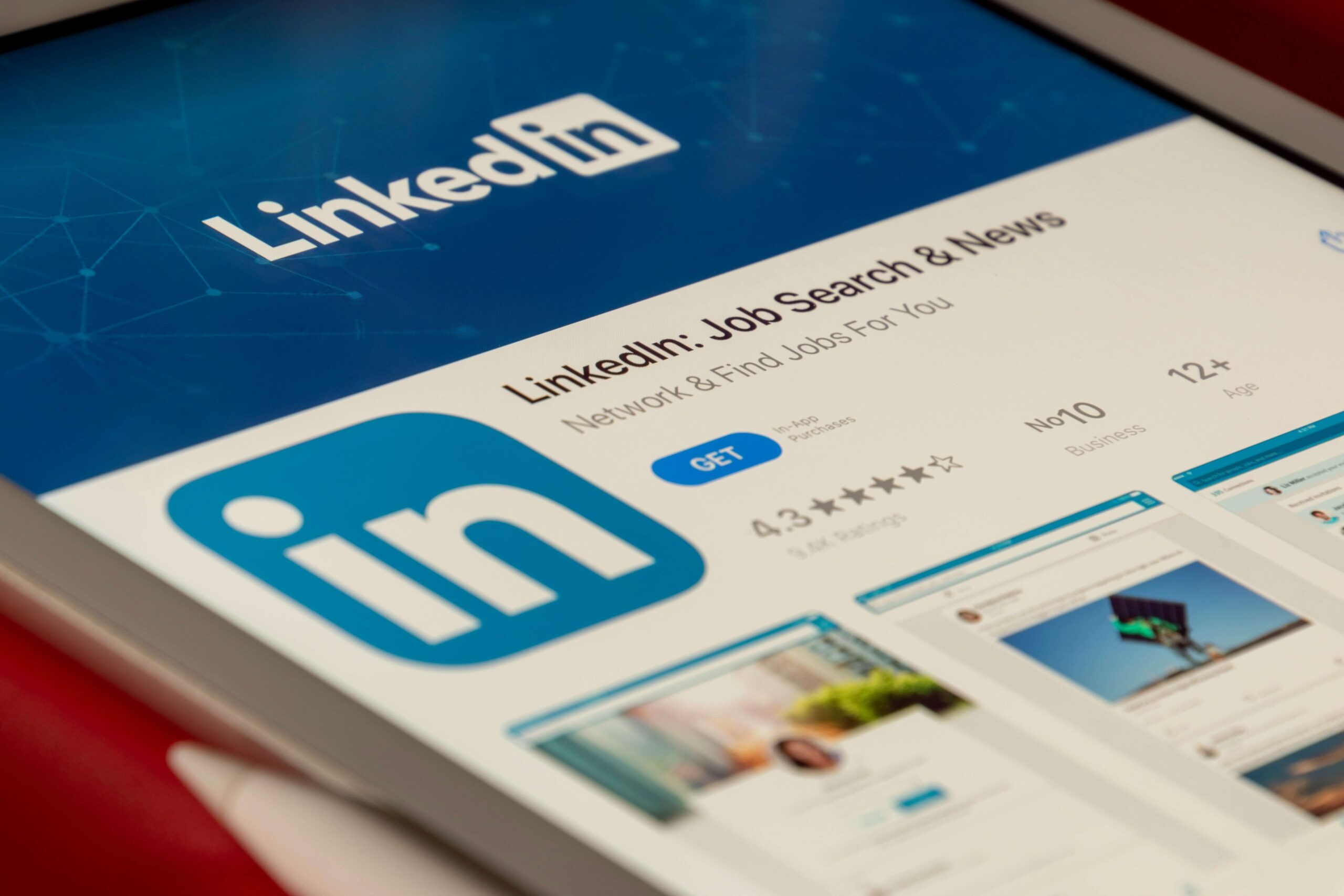
I was working hard but felt like I was running in mud. Gig apps, odd jobs, and endless job applications weren’t cutting it. Then I found LinkedIn—not as a job board, but as a place where real people, including those with budgets, were looking for help. CEOs, startup founders, small business owners—they’re all there, scrolling, reading, and ready to connect with someone who gets their needs. That’s when it clicked: this could be my way out.
Ditching the Corporate Mask
At first, I bombed. My posts were stiff, like I was auditioning for a corner office. I wrote stuff like, “Leveraging my skills to drive business synergy outcomes.” Total cringe. Nobody cared. I didn’t even want to read it.
Finally, I tossed the corporate playbook and started writing like I was chatting with a friend. I shared stories about helping a local gym owner boost leads or how I tweaked my morning routine to stay focused. Real stuff. Human stuff.
And it worked. People started commenting, messaging, and asking how I did it. Engagement isn’t just a vanity metric—it’s LinkedIn’s heartbeat. The more authentic you are, the more people trust you. And that trust turns into opportunities.
The Art of Showing Up
I don’t spend hours on LinkedIn—maybe 45 minutes a day, tops. My routine’s simple:
- Post once a day, usually in the morning. I mix it up between client stories, quick tips (like “3 ways to stand out on LinkedIn without hard-selling”), or behind-the-scenes glimpses (like a screenshot of a happy client’s DM).
- Engage with a few posts—5-10, with meaningful comments, not just “Great post!”
- Check DMs and reply to anyone who reaches out.
That’s it. Consistency beats perfection. I don’t need to go viral or have a million followers. I just need to show up as me.
The posts that hit hardest? Short, clear, and conversational. I share stories about a client doubling their email open rates or call out common mistakes—like business coaches chasing Instagram followers when their clients are actually on LinkedIn. It’s not rocket science; it’s just about being useful in a real way.
Turning Connections into Cash
Now for the practical part. I don’t sell courses or spam inboxes. I offer simple services: LinkedIn profile makeovers for people who want to stand out, content writing for small business owners who hate posting but need an online presence, and one-hour coaching sessions to help people build their own systems.
My prices aren’t crazy—$300 for a profile overhaul, $500–$1,000 a month for content, $100 for a coaching session. In a good week, I land one or two clients from inbound leads—people who see my posts, vibe with my style, and trust me enough to hire me.
It adds up. With one or two clients a week or a couple of retainer contracts, I average about $178 a day. Some weeks are slower, some busier, but it’s enough to cover rent, chip away at debt, and save. No ads, no cold calls—just consistent value and a profile that works 24/7.
A Profile That Works Hard for Me
Your LinkedIn profile is your first impression, and most people treat it like a chore. Not me. I keep mine simple but strategic:
- Headline: Not just a job title, but what I do and who I help. Like, “Helping small businesses get leads on LinkedIn without wasting money on ads.”
- About section: Written like a story, not a resume dump. Coffee-shop-conversation style, explaining why I do this and the results I’ve helped clients achieve.
- Featured section: Proof of my work—client testimonials, sample posts, and a call-to-action to message me or book a session.
It’s not flashy, but it’s intentional. When someone lands on my profile, they instantly know who I am and why they should care.
The Bigger Picture
I’m not saying I’m rolling in millions or living some Instagram-worthy luxury life. But LinkedIn gave me something I didn’t have a year ago: breathing room.
It’s not just about money—it’s about freedom. I work a few hours a day, set my own schedule, and help people I genuinely want to help. For a guy in his twenties, in a world where 64% of Gen Z and Millennials feel financially stressed (per Pew Research 2024), that’s a big win.
Maybe the American Dream isn’t a white picket fence and a suburban house anymore. Maybe it’s this: building a life where you’re not drowning, where you’re not chained to a desk for 40 hours a week just to survive. LinkedIn, as weird and simple as it sounds, became my bridge to that.
For Anyone Still on the Fence
If you’re reading this and thinking, “I could never do that,” I’m here to say: you don’t need to be an influencer or a startup bro to make this work. Start small. Share your story. Fix your profile. Talk to people like you’re having a real conversation, not selling a used car. Be real, show up, and keep going.
LinkedIn isn’t just a platform—it’s a tool to build the life you want, one post at a time.